
Ramana Sadguru Raayane - Devotional Peaceful Prayer Song for Ramana Maharshi with lyrics and meaning in English
- Kapil Piparaiya
- Jul 10, 2025
- 4 min read

The song 'Ramana Sadguru Raayane' is a devotional song in praise of Bhagavan Sri Ramana Maharshi, a revered Indian sage. The original lyrics are in Tamil (though sometimes transliterated into Telugu script). "Rayane" means "leader" or "lord" in this context, signifying Ramana Maharshi as the leader of Jnana (wisdom).
Here are the lyrics with an English transliteration and meaning, compiled from various sources. Please note that direct translation of devotional poetry can sometimes lose some nuances, but this aims to capture the essence.
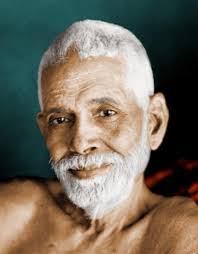
Song: Ramana Sadguru Raayane
Pallavi (Refrain):Tamil: ரமண ஸத்குரு ரமண ஸத்குரு ரமண ஸத்குரு ராயனே ரமண ஸத்குரு ரமண ஸத்குரு ரமண ஸத்குரு ராயனே
Transliteration: Ramaṇa Sat-Guru Ramaṇa Sat-Guru Ramaṇa Sat-Guru Rāyanē; Ramaṇa Sat-Guru Ramaṇa Sat-Guru Ramaṇa Sat-Guru Rāyanē!
Meaning: Ramana, the true Guru, Ramana, the true Guru, Ramana, the true Guru, my Lord! Ramana, the true Guru, Ramana, the true Guru, Ramana, the true Guru, my Lord!
Charanam 1:Tamil: புகழும் பொன்னுலகத்து வானவர் போற்றி நின்று புகழ்ந்திடும்; திகழும் நன்னிலமாம் திருச்சுழி தன்னில் வந்த தயாபரன்.
Transliteration: Pugazhum pon-nula gattu vānavar pōṭṭṛi ninḍṛu pugazhn-diḍum; Tigazhum nannila-mān Tiruc-chuzhi tannil vanda dayā-paran.
Meaning: Gracious Lord who was born in the glorious and holy place That even the gods of heaven praise, In the famous holy Tiruchuli, Ramana Sat-Guru!
Charanam 2:Tamil: அழகு சுந்தரர் அன்பினில் வரும் அமுத வாரிதி அருணையான்; மழவிடைப் பொருள் அருள் படைத்திடு வடிவிலா வடி வானவன்.
Transliteration: Azhagu Sundarar anbinil varum amuda vāridi aruṇai-yān; Mazha-viḍaip poruḷ aruḷ paḍait-tiḍu vaḍi-vilā vaḍi vānavan.
Meaning: Born of the love of Alagu and Sundara (his parents), he is the sea of nectar, The dweller at Arunachala. Out of love (for us), First the formless One took shape as the bull-mounted Siva (Lord Shiva). And again now as Ramana Sat-Guru!
Charanam 3:Tamil: அமல ஞான அருள் பெருங்கடல் அருணை அங்கிரி தன்னிலே; விமலமே உருவாகி வந்தொரு விருப நற்குகை மேவினான்.
Transliteration: Amala jñāna aruṭ peruṅ-kaḍal aruñai yaṅ-giri tannilē; Vimalamē vuru-vāgi vandoru virupa naṛ-guhai mēvi-nān.
Meaning: Untainted Knowledge flowed as the Sea of Love To the fine Virupaksha cave on Aruna Hill And took form as this Pure Being, Ramana Sat-Guru!
Charanam 4:Tamil: வாது செய்திடு மாயை தன்னை வளைத்து நின்று மிதித்தவன்; சூதுசெய் புலனோடு வஞ்சகச் சூழ் வினைத்தொகை அற்றவன்.
Transliteration: Vādu sei-diḍu māyai tannai vaḷaittu ninḍṛu midit-tavan; Sūdu-sei pula nōḍu vañ-jagac chūzh vinait-togai aṭṭṛavan.
Meaning: He wrestled to the ground and trampled Illusion, his challenger. He did away with the artful senses and the profusion of past karma, Ramana Sat-Guru!
Charanam 5:Tamil: அருணை ஈசன் எடுத்தணைந்திட அன்பன் என்குரு நாயகன்; கருணையே வடிவாக நின்றிடு கற்பகத் தரு வாகினோன்.
Transliteration: Aruṇai īsan eḍutta ṇain-diḍu anban en-guru nāya-kan; Karu-ṇaiyē vaḍi-vāha ninḍṛiḍu kaṛpahat taru vāgi-nōn.
Meaning: He was taken up and embraced by the Lord of Arunachala. My Lord and Master's Grace took form as this Master Who stands here as the celestial wish-fulfilling tree, Ramana Sat-Guru!
Charanam 6:Tamil: மூன்று தேக மறந்து முப்பத்த வாழவினில் குடியேறினான்; தோன்றும் இஜ்ஜக வாழ்வினில் களியாது நின்று தோன்றலன்.
Transliteration: Mūnḍṛu dēha maṛandu mup-pada vāzh-vinil kuḍi yēṛi-nān; Tonḍṛum ijjaga vāzh-viniṛ kaḷi yādu ninḍṛu tōnḍ-ṛalan.
Meaning: He became unmindful of the three bodies (gross, subtle, causal) And lived through the three pure states (waking, dream, deep sleep - transcending them), Without delighting in this transitory worldly life, Ramana Sat-Guru!
Charanam 7:Tamil: பிண்ட மேவிய நாதனே பிரமாண்ட மாவிய நாதனாய்க்; காண்டு நின்று கனிந்துள்ளேகமே காட்சியாய்க் களி கொண்டவன்.
Transliteration: Piṇḍa mēviya nādanē bira māṇḍa māviya nāda-nāik; Kāṇḍu ninḍṛu kaninduḷ-ēkamē kātchi-yāik kaḷi koṇḍavan.
Meaning: Recognizing the soul of the body to be the very Soul of the Universe, Remaining still, growing ripe, his heart became one with all. Ever-blissful is this Ramana Sat-Guru!
Charanam 8:Tamil: பொன்னிறந் தவழ் மேனியன் புகழ் ஓங்கு செஞ்சடை வேணியன்; தன்னருங் குரு வாக வாய்த்திடு தத்துவப் பொருளானவன்.
Transliteration: Ponniṛan tavazh mēni-yan pugazh ōṅgu señ-jaḍai vēṇi-yan; Tan-naruṅ guru vāga vāit-tiḍu tat-tuvap poruḷ ānavan.
Meaning: He who had as his guru the famed golden-hued Siva, With his beautiful matted hair, and became one with Him, The very essence of Truth, Ramana Sat-Guru!
Charanam 9:Tamil: பஞ்ச பூத நிறைந்தவன் பஞ்ச கோச மடற்றவன்; அஞ்சலித்திடும் அன்பர் துன்ப மொழிக்கு ஞான விதாயகன்.
Transliteration: Pañcha bhūta niṛaindu ninḍṛavan pañcha kōsama daṭṭṛavan; Añjalit tiḍum anbar tunba mozhikku jñāna vidā-yagan.
Meaning: He pervades the five elements. He is unbound by the five sheaths. He removes the troubles of devotees and grants them knowledge, Ramana Sat-Guru!
Charanam 10:Tamil: முக்குணத் தடை அற்றவன் முத லாய தேவ நிராமயன்; பக்குவத்தவர் வந்து நின்று பணிந்திடும் பத சேவையான்.
Transliteration: Mukgu-ṇat taḍai aṭṭṛavan muda lāya dēva nirā-mayan; Pakkuvat tavar vandu ninḍṛu paṇin-diḍum pada sēvai-yān.
Meaning: The three gunas (Sattva, Rajas, Tamas) do not bar his way. He is the primal God free from taint. Men of merit seek him, serve him and fall at his feet, Ramana Sat-Guru!
This song beautifully encapsulates the devotees' deep reverence for Ramana Maharshi, describing his spiritual attainments, his connection to Arunachala, and his benevolent nature as a true Sadguru (perfect master).
You can hear the song on the link below
https://www.youtube.com/watch?time_continue=527&v=MHVn16XzSCE&embeds_referring_euri=https%3A%2F%2Fwww.google.com%2Fsearch%3Fq%3Dramana%2Bsadhguru%2Brayane%26oq%3Dramana%2Bsadhguru%2Brayane%26gs_lcrp%3DEgZjaHJvbWUyBggAEEUYOTINCAEQABiRAhiABBi&source_ve_path=Mjg2NjY
The Composer and the Mystery:
Interestingly, the exact identity of the composer of "Ramana Sadguru Raayane" remains somewhat shrouded in mystery. As recounted by Sadguru Nannagaru and other sources, the song was composed by an unknown devotee who visited Bhagavan Sri Ramana Maharshi in the Virupaksha Cave on Arunachala Hill. This devotee, after having darshan (a sight of a holy person) of Bhagavan, silently composed the song, offered it to him, and then disappeared forever. He was never seen again in Bhagavan's presence, and his whereabouts remained unknown. When Bhagavan was informed of this, he simply remarked, "He has attained that which has to be attained." This adds a profound layer of mystique to the song, suggesting it flowed from a heart touched by profound realization in the presence of the Master.



Comments